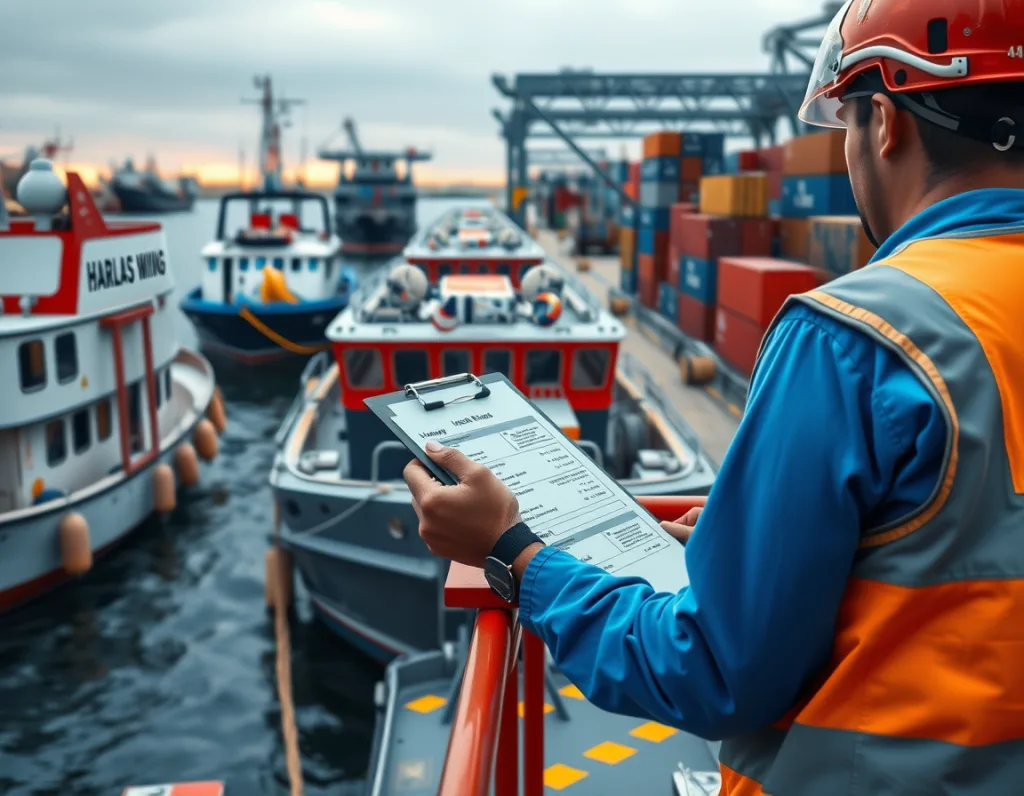
Commercial boating is an exciting venture filled with opportunities and, of course, certain risks. From charter services to fishing vessels, or transporting goods across the vast waters, owning and operating a commercial boat can be a significant investment. So, here’s the big question: Is your investment protected with commercial boat insurance? This guide aims to shed light on how you can effectively navigate through boating insurance options to keep your business afloat, both figuratively and literally, across the USA.
Understanding Commercial Boat Insurance
Before you set sail on the insurance journey, it’s crucial to grasp what commercial boat insurance truly entails. This coverage is designed to protect businesses that rely on waterborne transport against various liabilities and damages. Whether it’s an on-the-job incident or unexpected weather conditions, having the right insurance can mean the difference between clear skies and stormy waters for your business.
What is Commercial Boat Insurance?
In its simplest form, commercial boat insurance is a type of protection plan for vessels used in business operations. Unlike recreational boat insurance, this kind secures you against both physical damage and potential liability arising from business activities on the water. It covers a range of boats – from small fishing crafts to large commercial ferries.
Why Do You Need It for Your Business?
Operating a commercial vessel is inherently risky. From collisions to theft, a range of unforeseen events could disrupt your business. Having a comprehensive policy can provide peace of mind and financial security.
- Legal Protection: U.S. maritime law can be complex. Adequate insurance serves as a safeguard against potential lawsuits, which might arise due to accidents or services provided.
- Asset Protection: Boats, like any property, need protection against damages. Insurance helps in the repair or replacement of vessels.
- Operational Continuity: Unexpected interruptions can hurt your business. Proper coverage ensures that your business can recover swiftly in the event of an accident.
Legal Requirements for Commercial Vessels in the USA
In the USA, the majority of states mandate some form of boat insurance, especially for commercial operations. The United States Coast Guard (USCG), for instance, has specific regulations that manage the safety and operational standards for commercial vessels. Additionally, various states might require specific coverages to legally operate a boat for business purposes within their waters. Be sure to check state-specific laws and guidelines, such as those detailed on the USCG Boating Safety Resource Center.
In summary, securing an appropriate insurance policy for your commercial vessel is not just a recommendation—it’s a necessity. Proceeding without it may expose you to hefty fines and legal penalties that could otherwise be avoided. The next sections will delve deeper into different coverage types and how they work to protect your investment.
Types of Coverage Available
When it comes to insuring your commercial vessel, it’s not a one-size-fits-all approach. Each type of coverage serves to protect different aspects and operations of your business. Understanding the available options can help ensure that all parts of your venture are secured against unforeseen events.
Liability Insurance: Protect Your Assets
Liability insurance is the backbone of any commercial boat insurance policy. It covers legal obligations that arise from accidents involving third parties, such as bodily injury or property damage. For example, if your boat collides with another vessel or causes harm to passengers or crew, liability insurance will aid in covering the legal costs and any compensation deemed necessary. Businesses with larger fleets or those involved in high-risk operations, like ferry services, generally opt for higher liability limits.
Hull Insurance for Damage Protection
The hull of your vessel is essentially its body—it needs protection just like any major asset. Hull insurance covers physical damage to the boat itself, whether it’s a small scrape against the dock or extensive damage from a natural disaster. This insurance ensures that repair costs or even vessel replacement do not sink your finances. It’s worth noting that policies typically cover machinery and equipment, offering a comprehensive defense against the unexpected.
Crew Coverage and Worker’s Compensation
Your crew is invaluable to your operation. Ensuring their safety and providing financial protection is key. Crew coverage—often akin to worker’s compensation—is designed to protect both the employer and employees. If a crew member is injured on the job, this insurance helps cover medical costs and lost wages during recovery. Maintaining this kind of coverage is not only an ethical obligation but often a legal one as well, depending on your state and local laws.
Cargo Insurance for Safe Shipment
Transporting goods? Then cargo insurance is a must. This ensures any goods you carry—whether for yourself or clients—are protected against loss, theft, or damage while in transit. Given the potential high value of cargo, having coverage in place can prevent significant financial setbacks. For example, commercial fishers transporting their catch to market benefit greatly from cargo insurance, securing their livelihoods against spilt or spoiled product.
| Types of Coverage | Main Benefits |
|---|---|
| Liability Insurance | Protects against legal costs from third-party injuries/damages |
| Hull Insurance | Covers physical damage to the boat itself |
| Crew Coverage | Offers medical and wage support for injured crew |
| Cargo Insurance | Safeguards goods carried by your vessel |
This spectrum of policy options assures you a tailored approach for your business’s unique needs. Navigating these waters wisely can set your business on a course for safe and profitable journeys.
For further information and resources about these types of coverage, visit BoatUS. They provide a comprehensive look into marine insurance offerings and help simplify complex boating insurance decisions.
Each of these coverage types serves to secure various parts of your commercial operation, providing a financial safety net that allows you to focus on navigating the business itself. Next, we’ll explore critical factors that affect your insurance premiums, helping you make informed decisions.
Factors Affecting Your Insurance Premiums
Determining the cost of commercial boat insurance isn’t as simple as a fixed rate across the board. Various factors can significantly influence your premiums, and understanding these elements can empower you to manage and potentially reduce your insurance costs effectively.
Type and Size of Vessel
The type and size of your vessel directly impact your insurance premiums. Larger ships generally entail higher risks, meaning more costly repairs and increased liability potential. For example, a small fishing boat will typically have lower premiums compared to a luxury yacht or a large freight ship. Different types of vessels, such as speedboats or passenger ferries, may face higher premiums due to increased operational risks.
Navigational Area and Risks Involved
Where you navigate plays a huge role in determining your premium rates. Navigational areas with high traffic, difficult weather conditions, or higher crime rates can lead to increased premiums. Boats primarily docked and operated in regions prone to hurricanes, for instance, face higher rates due to the increased risk of natural disasters. Furthermore, routes passing through international waters might necessitate additional considerations based on maritime laws and political concerns.
Claims History and Safety Record
Just like car insurance, a boat owner’s previous claims history heavily influences current rates. More claims translate to higher perceived risk by insurers. Conversely, a clean history often results in discounted premiums. Additionally, showcasing a strong safety record, including documented maintenance and crew training practices, can positively affect your insurance costs. Insurers value operators who actively minimize risks through safety procedures and timely vessel maintenance.
The Influence of Weather Patterns and Seasons
Weather patterns play an often underestimated role in premium calculations. Insurers frequently adjust rates seasonally or according to recent climate changes. For instance, insurers in the Gulf of Mexico might adjust their policies based on severe weather forecasts for hurricane season. It’s wise for boat operators to stay informed about how changing weather patterns might impact their operation costs and insurance needs.
| Factor | Impact on Premium |
|---|---|
| Type and Size of Vessel | Larger or riskier types lead to higher premiums. |
| Navigational Area | Riskier areas with harsh conditions increase costs. |
| Claims History and Safety Record | More claims or poor safety leads to higher premiums. |
| Weather Patterns and Seasons | Prone-to-disaster areas face rising premiums. |
Understanding these factors not only helps in estimating your insurance budget but can also guide operational decisions that could mitigate higher insurance costs. For a deeper dive into understanding how these influences play out, you might want to check resources like Insurance Information Institute’s Marine Insurance.
Keeping these factors in check means your commercial boat insurance remains manageable and tailored to your specific needs. As you keep these aspects in mind, you can now focus on choosing the right insurance provider, ensuring you have a plan that effectively covers your unique boating business requirements.
How to Choose the Right Insurance Provider
Choosing the right insurance provider is just as critical as selecting the right coverage. It ensures that your unique needs are met at a fair price and that claims are handled efficiently. Here are some tips and criteria to consider to help you navigate this important decision.
Key Questions to Ask Your Insurer
When speaking with potential insurance providers, it’s essential to come prepared with specific questions. These will help clarify whether the coverage offerings align with your needs. Consider asking:
- What specific coverages do you offer for commercial vessels?
Understanding the range of options helps in tailoring a policy to your operations. - Do you offer any discounts or bundles for multiple policy purchases?
Discounts can lead to significant savings over time. - How does your claims process work, and what is the typical turnaround time?
A clear and efficient claims process is crucial for minimizing downtime post-incident. - Do you have experience servicing clients with similar vessel types or businesses?
Providers familiar with your specific operations may offer better advice and tailored policies.
Comparing Popular Insurance Companies in the USA
The insurance market in the USA is vast, with many providers offering solid options for commercial boat coverage. Conducting thorough comparisons between these companies can help in identifying the best fit:
- BoatUS Marine Insurance
Well-known for comprehensive plans and excellent customer service. BoatUS specifically tailors policies for small to medium-sized vessels. - Progressive Commercial Boat Insurance
Offers competitive rates and customizable policies, with a good track record on claims handling. - Chubb Marine Insurance
Renowned for their expert handling of luxury and high-value crafts, providing robust coverage options.
Utilize resources like Insurance Information Institute to compare more insurance providers in terms of customer reviews, financial stability, and coverage specifics.
How Customizable Are Policies to Fit Your Needs?
Every maritime business is unique, and finding a provider that offers customizable policies ensures you’re not paying for unnecessary coverage. Tailored policies can adapt to changes in your business model, new vessel acquisitions, or changing navigational routes. Many top providers allow incremental changes to your policy as your business grows or diversifies.
Exploring Customer Reviews and Satisfaction Rates
Finally, customer feedback often provides insight that a sales pitch cannot. Search for customer reviews and satisfaction ratings online to gauge real-world experiences with a provider. Websites like Trustpilot and the Better Business Bureau can offer unbiased reviews and ratings.
Example Table: Provider Comparison
| Provider | Specialization | Custom Policy Options | Claims Process |
|---|---|---|---|
| BoatUS Marine Insurance | Small to Medium Vessels | Highly Customizable | Efficient, Clear Process |
| Progressive | Competitive, Flexible Rates | Customizable | Good Track Record |
| Chubb | Luxury and High-value Boats | Specialized High-end | Expert Handling |
Choosing the right provider involves careful consideration and due diligence. Once this foundation is set, you’ll be better equipped to manage your insurance needs long-term, creating a robust safety net that supports your business operations sustainably. Now, let’s explore some practical tips for reducing your insurance costs without compromising on necessary coverage.
Tips for Reducing Insurance Costs
While commercial boat insurance is an essential expense, there are strategic ways to reduce costs without sacrificing the necessary coverage. By implementing a few smart strategies, you can manage premiums more effectively.
Implement Safety Protocols and Training
Prioritizing safety isn’t just good practice—it also can lead to significant insurance savings. Many insurers offer discounts to companies that demonstrate a commitment to safety through:
- Structured training programs for all crew members, ensuring everyone is well-versed in safety procedures and emergency protocols.
- Regular safety drills that prepare the crew for various scenarios, reducing risk and enhancing readiness.
- Implementing advanced safety equipment like automatic emergency defibrillators or state-of-the-art navigation systems can also help lower premiums.
Regular Maintenance and Inspection of Vessels
Keeping your vessel in top-notch condition is a win-win: it prolongs the life of your boat and can positively impact your insurance costs.
- Schedule regular inspections to ensure early detection of potential mechanical issues.
- Follow a preventive maintenance plan to address routine engine checks, hull integrity, and safety equipment updates.
- Logging all maintenance work can provide insurers proof of your proactive approach towards risk reduction.
Bundle Different Types of Coverage
Insurance companies often provide discounts when you choose to bundle coverage options. By combining commercial boat insurance with other policies—like general liability or property insurance—you can lower overall costs. It’s worth discussing bundling discounts with your insurer, as they vary from one provider to another.
Consider Higher Deductibles for Lower Premiums
Opting for a higher deductible can lead to reduced premium costs. This strategy can be beneficial if you have a reserve fund in place to cover the deductible amount if needed. While this approach lowers monthly or annual costs, it does mean more out-of-pocket expenses in the event of a claim. Hence, it’s crucial to decide this based on your financial readiness and risk tolerance.
Key Strategies to Reduce Costs:
- Implement robust safety protocols and crew training.
- Conduct regular maintenance and inspections with thorough documentation.
- Explore bundling options with your insurance provider.
- Opt for higher deductibles if you’re financially prepared for potential claims.
Through proactive management and strategic choices, you can efficiently navigate the complexities of commercial boat insurance, ensuring you get the protection needed at a cost that aligns with your budget. For more expert tips on reducing overall marine insurance costs, check out resources from the National Marine Manufacturers Association.
This effort in managing costs can result in substantial savings for your business while still preserving high-quality coverage that safeguards your operations. Up next, let’s wrap up with a summary of the key points covered in this guide.
Conclusion
Navigating the intricate waters of commercial boat insurance in the USA demands an informed approach—one that marries tailored coverage options with strategic cost management. Throughout this guide, we’ve explored the fundamental aspects of securing your commercial vessel, allowing you to focus on smooth sailing in your biashara operations.
To recapture the core insights:
- Understanding Commercial Boat Insurance: Offers a foundational shield against risks, protecting both your vessel and business interests. Knowing both the legal and operational requirements ensures compliance and peace of mind.
- Types of Coverage Available: From liability protection to hull, crew, and cargo coverage, the spectrum of options available allows for customized plans tailored to specific business needs.
- Factors Affecting Premiums: Elements like vessel size, navigational area, safety records, and prevailing weather conditions play significant roles in premium calculations. Knowledge of these elements aids in forecasting and planning.
- Choosing the Right Provider: Engage with insurers who understand your business, offering customizable policies and a robust claims process backed by reputable customer reviews.
- Reducing Insurance Costs: Implement practical measures such as enforcing safety protocols, conducting regular maintenance, bundling coverages, and considering higher deductibles to drive down expenses without compromising coverage.
In embracing these strategies and insights, you position your business for success, prepared for the unexpected while optimizing your financial commitments. Yet, insurance is only one piece of the puzzle. As maritime laws and market dynamics shift, keeping abreast of industry trends can provide further advantages.
If you’re ready to dive deeper or initiate a conversation with industry experts, consider reaching out to your preferred provider. Engaging them with the knowledge from this guide bypasses any initial uncertainty, leveraging your understanding to secure optimal protection for your commercial boating operations.
Here’s to safe, secure, and prosperous nautical ventures! For more in-depth information and updates on marine insurance strategies, you can visit Maritime Insurance International, which offers further reading and expertise.
Frequently Asked Questions (FAQs)
FAQ 1: What is Commercial Boat Insurance?
Answer:
Commercial boat insurance covers business vessels and their operations on water. It protects against physical damages and liabilities. This is crucial for protecting your business investments. To learn more about its importance and what it covers, check the Insurance Information Institute.
FAQ 2: Why is Commercial Boat Insurance Necessary?
Answer:
It’s necessary because it safeguards your business from potential financial losses. Unexpected events like accidents or natural disasters can be costly. With this insurance, you’re protecting your company’s assets and reputation. For more details, visit BoatUS.
FAQ 3: What Does Liability Insurance Cover?
Answer:
Liability insurance mainly covers any legal obligations like third-party injuries or property damages. If your boat accidentally harms someone or something, this coverage will help handle the costs. More details can be found on Progressive.
FAQ 4: How Can I Lower My Insurance Premiums?
Answer:
You can lower premiums by bundling different coverages, maintaining a good safety record, and opting for a higher deductible. Regular maintenance and safety training also help. Check Maritime Insurance International for more cost-saving tips.
FAQ 5: Does Cargo Insurance Protect My Goods?
Answer:
Yes, cargo insurance protects goods transported by your vessel against loss or damage. It ensures peace of mind, especially for high-value shipments. Learn more about cargo insurance at Chubb Marine Insurance.
FAQ 6: What Factors Influence Insurance Costs?
Answer:
Factors include the type and size of the vessel, navigational areas, and your claims history. Where your boat operates and how often it’s maintained also affect costs. Visit Trustpilot for provider comparisons and reviews.
FAQ 7: Are There Legal Requirements for Boat Insurance in the USA?
Answer:
Yes, many states require commercial boat insurance. The requirements vary, so it’s important to check your state’s laws. The US Coast Guard offers resources on compliance and regulations.
FAQ 8: How Can I Choose the Right Insurance Provider?
Answer:
Choose a provider by comparing coverages, customer reviews, and claim handling processes. Look for customizable policies that fit your business’s unique needs. More guidance is available at Better Business Bureau.
FAQ 9: Is Hull Insurance Essential?
Answer:
Absolutely, hull insurance is essential. It covers physical damages to your boat, keeping repair and replacement costs manageable. For more information on hull insurance, visit Allstate.
FAQ 10: How Can I Ensure a Smooth Claims Process?
Answer:
Ensure a smooth claims process by maintaining thorough records and communicating clearly with your insurance provider. It’s wise to review your provider’s claims process before signing a policy. Read more about this on BoatUS.
These FAQs aim to guide your understanding of commercial boat insurance by using straightforward language and linking to useful resources.
Read more: 5 Vital Ways Marine Cargo Insurance Shields Your Business from Risk