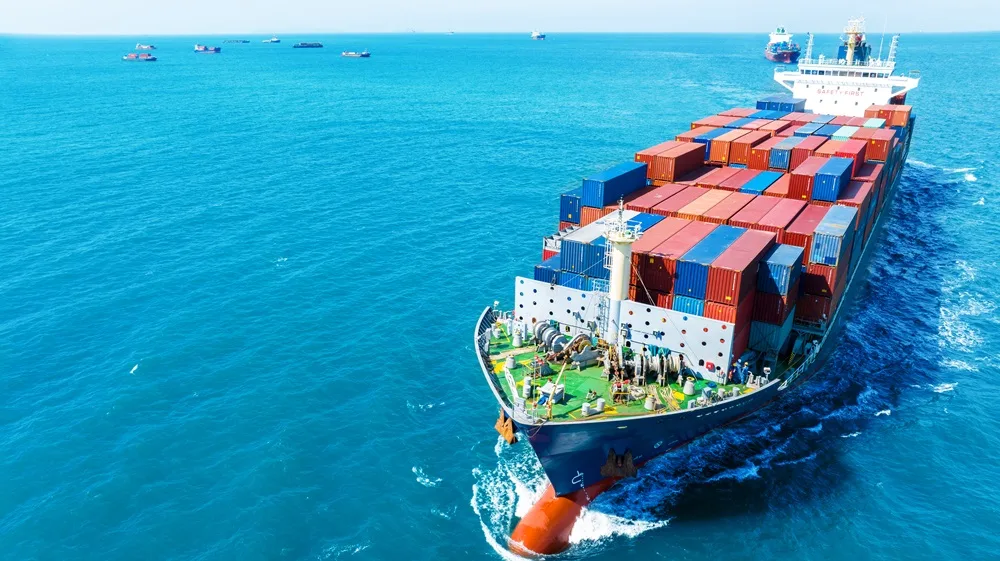
When you’re navigating the open seas, the last thing you want to worry about is the security of your cargo or vessel. Marine insurance provides the peace of mind that logistics professionals, shippers, and vessel owners need to operate smoothly, even in unpredictable waters. In 2024, the global shipping industry continues to expand, and with it, the demand for robust marine insurance solutions escalates.
Knowing how to choose from the top marine insurance companies can be challenging in such a competitive market. Today, we’ll break down everything you need to know—from the key features to consider, to a list of the best providers in the industry.
What is Marine Insurance and Why Do You Need It?
Before diving into specific companies, it’s essential to understand what marine insurance is and why it’s vital for anyone involved in shipping or maritime activities.
Marine insurance is a specialized type of insurance designed to cover damage or loss of vessels, cargo, or other goods during transport, whether by sea, air, or land. It helps protect against unique maritime risks such as shipping accidents, natural disasters, piracy, and other perils that your standard insurance policies wouldn’t even begin to cover.
Types of Marine Insurance
Marine insurance isn’t a one-size-fits-all policy. It is usually broken down into several categories:
- Cargo Insurance: Covers physical goods in transit, a critical protection for shippers and logistic companies. If you’re shipping anything from automobiles to medical supplies overseas, this is must-have coverage.
- Hull and Machinery Insurance: Protects the actual vessel itself against damage or loss due to various perils such as collisions or grounding.
- Protection & Indemnity (P&I) Insurance: Provides protection against liabilities such as injuries, environmental damage (like oil spills), or cargo damage from operations.
- Freight Insurance: Safeguards the earnings you get from freight charges if the cargo is lost or damaged at sea.
According to the International Union of Marine Insurance (IUMI) official report, the global marine industry continues to embrace risk management through insurance as more complex logistics routes open. This means the marine insurance landscape is continually evolving to offer more comprehensive protection for marine operators.
Legal Requirements for Marine Insurance
While some regions do not mandate marine insurance, it’s generally required for operating vessels commercially. For instance, the United States requires that all vessels navigating U.S. waters carry at least basic marine insurance to prevent undue harm to the environment and other parties should an accident occur. European shipping routes tend to carry similar requirements, particularly regarding P&I insurance for environmental liabilities.
Risks Covered by Marine Insurance
Marine insurance covers a variety of risks that are unique to the open seas. Some common perils include:
- Severe weather conditions (like hurricanes or typhoons)
- Vessel collisions
- Grounding or stranding of the vessel
- Fire or onboard explosions
- Piracy (this is particularly important for vessels operating near high-risk areas like the Somali Coast)
- Wars or civil commotion in unstable regions
Without proper coverage, a single loss could financially cripple an owner, shipper, or logistics company. Losses can accumulate quickly. To offer some context, it is estimated that in 2020 alone there were over $12 billion worth of pirated ship cargoes globally (Forbes report)—just one of many risks marine insurance protects against.
Real-World Example: Impact of Hurricane Harvey on Marine Insurance Claims
To illustrate the importance of marine insurance, let’s take a historical incident—Hurricane Harvey in 2017, which caused catastrophic flooding and wreaked havoc on shipping operations along the U.S. Gulf Coast. In total, the industry faced $150 million in claims related to marine shipping losses, according to Clarksons’ Insurance Summary.
Without robust insurance, many shippers would have absorbed these losses without recourse, underscoring the crucial role that marine insurers play in keeping maritime operations financially viable.
Now that we’ve covered the essential aspects of what marine insurance is, next, let’s delve into the key features you should look for when selecting a marine insurance provider.
Key Features to Look for in a Marine Insurance Company
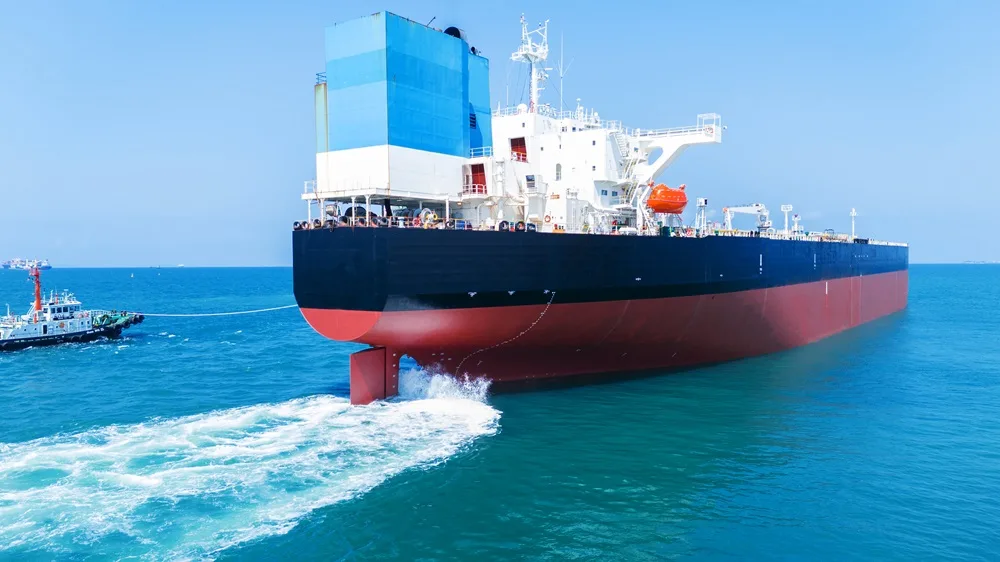
Choosing from the top marine insurance companies isn’t just a matter of picking the most well-known brand. Every shipping operation is unique, and selecting the best insurance provider means considering several key factors. In this section, we’ll unpack what differentiates the top providers and how to analyze these features to fit your specific needs.
1. Comprehensive Coverage Types
A good marine insurance company should offer a broad spectrum of policies to cover different aspects of maritime risks. Before committing, make sure to check if they provide the following essential coverage options:
- Cargo Insurance: Does the company cover high-value goods like electronics, pharmaceuticals, or rare commodities? If your business deals with fragile goods, you’ll want policies specifically designed for such items.
- Hull & Machinery Insurance: Particularly crucial if your business owns vessels. A robust provider should offer flexibility in covering anything from small crafts to large freight vessels.
- P&I (Protection and Indemnity) Insurance: Does the insurer specialize in liabilities such as crew injuries or environmental damage like oil spills?
- War Risk Coverage: As global shipping routes change, war risk and piracy protection become increasingly important, especially in areas like the Strait of Malacca where high piracy risks exist.
According to Allianz’s Global Marine Trends Report, rising geopolitical tensions across shipping routes result in higher demand—and cost—for war risk insurance among shippers. Companies offering robust solutions in this area will be better positioned to meet future demands.
2. Financial Stability
An insurer’s financial health is a critical consideration. Marine insurance companies must have the capital reserves to pay large claims when calamities happen.
Look for ratings from institutions such as:
- AM Best
- Moody’s
- Fitch Ratings
These agencies evaluate an insurance company’s solvency, ensuring you pick a stable company that will pay claims promptly, even during large-scale industry crises.
For instance, Lloyd’s of London maintains an A+ (excellent) rating with AM Best, making it one of the most financially secure names in marine insurance. You can view more about their rating on Lloyd’s official rating information page.
3. Global Presence with Local Expertise
The best marine insurance providers often have a global footprint—but these giants should also demonstrate local expertise. Why? Different countries and regions have unique regulations, environmental risks, and shipping routes. A company that understands both the international and local landscapes can tailor solutions in a meaningful way.
For example, AXA XL operates globally but provides localized solutions in key hubs like Hong Kong, Singapore, and Rotterdam, allowing them to cater to regional shipping challenges such as monsoons in Asia or crowded shipping channels in Europe.
An insurer with a strong presence in key maritime locations will be well-positioned to quickly assist with claims and adjustments.
4. Specialization in Sector-Specific Needs
It’s important to examine if a marine insurance company has a focus on your specific industry. For instance:
- Oil and gas explorers may want a company that specializes in offshore installations and logistics, like Allianz Global Corporate & Specialty, which covers the offshore energy sector comprehensively.
- Shipping-focused companies will benefit from insurers with deep-rooted expertise in container cargo risks, like Tokio Marine HCC.
Providers specializing in certain industries often have more nuanced understandings of those specific risks. They’re able to craft bespoke insurance policies tailored to your needs, ensuring no stone is left unturned in your coverage.
5. Customer Service and Claims Handling
No one wants to deal with complicated claims processes—especially when damages or losses need to be handled right away. Speed, efficiency, and transparency in how a company processes claims can make or break your experience with a marine insurance provider.
Ask the following:
- How accessible are their claims agents? Companies like The Hartford prioritize 24/7 customer support for claims.
- What’s the average claims processing time? This information may be available via reviews or the company’s performance reports.
- Are there any third-party reviews or case studies? Real-world feedback from other customers can provide valuable insight into a marine insurance company’s ability to manage claims smoothly.
Consider this example: A 2021 case study showed how Chubb Insurance processed claims for a vessel owner following pirate activity off the coast of West Africa. Despite the complexity of international and maritime law, Chubb’s specialized response team settled the claim within weeks, preventing further financial damage for the customer. Read more about Chubb’s claim handling approach here.
6. Flexibility of Coverage Options
Finally, when looking for the top marine insurance companies, flexibility is key. Every maritime operation is unique, from multimillion-dollar supertankers to small leisure yachts. A good provider will offer customizable policies that can be adapted to the specific needs of a business or individual.
For instance, does the insurer provide:
- Add-ons for special equipment or high-risk routes?
- Seasonal adjustments if you’re only shipping part of the year?
- Policies tailored to unique conditions like reefer containers (for perishable goods)?
Companies such as Zurich Insurance Group excel in offering custom solutions, which is why they’re a favorite among logistics businesses with fluctuating shipping volumes.
These key features can significantly influence how well your insurance policy serves you when an issue arises. Dealing with nuanced maritime risks requires more than just a standard policy. By considering the coverage options, the financial strength of the insurer, regional knowledge, specialization, claims handling, and flexibility, you can ensure that the marine insurance provider better aligns with your shipping and maritime needs.
Up next: We’ll take a closer look at some of the top marine insurance companies for 2024, analyzing what sets them apart and how they can help you mitigate risks across your maritime ventures.
Certainly! Let’s move on to the next section where I will cover the Top Marine Insurance Companies in 2024.
Top 10 Marine Insurance Companies in 2024
Choosing from the top marine insurance companies in 2024 requires more than just looking at the names. Each of these companies has earned its place on this list due to their robust policies, strong claims handling, and financial stability. Whether you’re insuring a fleet of ships or a single vessel, these companies are recognized as the best options in the industry.
1. Lloyd’s of London
When talking about marine insurance, Lloyd’s of London is essentially the gold standard. As the largest specialty insurance market worldwide, Lloyd’s is not a singular company but rather an insurance marketplace where underwriters and brokers work together to create custom marine policies for various businesses.
- Coverage: Specifically crafted coverage for cargo, hull & machinery, and liabilities.
- Key Advantage: Lloyd’s insurance syndicates have deep expertise across the entire maritime sector, whether it’s shipping risks, fisheries, or offshore oil/gas platforms.
- Global Presence: Headquartered in London but operates internationally. Known for providing solutions in high-risk areas.
Useful Resource: Learn more about their specialized marine offerings at the Lloyd’s Marine Insurance Page.
2. AXA XL
AXA XL, a division of the AXA Group, is a top-tier commercial marine insurer that supplies comprehensive global solutions, particularly for industries with complex marine liabilities, such as petrochemicals or hazardous cargo. Having streamlined its operations to provide enhanced risk management services, AXA XL remains a top pick for shippers with global needs.
- Coverage: Offers marine cargo insurance, hull & machinery, and protection & indemnity (P&I) insurance.
- Key Advantage: Known for risk analysis tools like the Seavue tool which helps shippers predict and mitigate maritime risks.
- Global Presence: Strong network in Europe, Asia-Pacific, and the Americas, greatly benefiting businesses with international operations or supply chains.
Useful Resource: Explore AXA XL’s comprehensive offerings here.
3. American International Group (AIG)
AIG needs no introduction in the world of insurance. While they are famous for their general insurance services, their marine insurance division is a key player, offering services tailored toward freight risk management and various maritime commercial sectors.
- Coverage: Cargo, hull & machinery, marine liability, and contingency insurance for transport-related operations.
- Key Advantage: Innovative policies for hard-to-insure cargo, such as perishable goods.
- Global Presence: Offices in more than 80 countries provide support for businesses that operate on a global scale or shipping companies venturing through risk-prone regions.
Useful Resource: AIG’s marine insurance breakdown is available at AIG Marine.
4. Allianz Global Corporate & Specialty (AGCS)
Allianz is one of the largest insurance providers globally, with vast experience in marine insurance, specifically catering to large-scale fleets or organizations involved in more complex shipping ventures.
- Coverage: Cargo, hull, war risk, P&I, and marine liability.
- Key Advantage: Provides supplementary services like loss control consulting and supply chain risk assessments to reduce exposure.
- Global Presence: Extensive worldwide offices, particularly strong in Europe, North America, and Asia.
Useful Resource: You can explore Allianz Marine offerings at their AGCS Marine Page.
5. Chubb Insurance
Chubb is well-known for its robust and efficient customer support and strong claims handling processes. Their marine insurance suite offers excellent service for both commercial and privately owned vessels, with policies that adapt to clients’ needs.
- Coverage: Cargo transportation, hull & machinery, marine liability, and pollution insurance.
- Key Advantage: Chubb is often regarded for its yacht insurance, offering high-net-worth individuals comprehensive coverage for personal vessels.
- Global Presence: Operates in several continents, including North America, Europe, and Latin America, accessible to a wide range of clients.
Useful Resource: More information can be found on the Chubb’s Marine Insurance Page.
6. Zurich Insurance Group
Zurich is another major player in the marine insurance world, offering policies focused particularly on cargo and liability protection for international logistics providers and manufacturers. Zurich is highly favored by SMEs that rely on global supply chains.
- Coverage: Fleet and cargo insurance, marine liability, warehousing risk, and business interruption insurance.
- Key Advantage: Known for streamlined claims processing methodologies suited for time-sensitive shipping industries like pharmaceuticals and electronics.
- Global Presence: Zurich’s widespread international presence gives them an edge in understanding regional maritime regulations and unique logistic challenges.
Useful Resource: Get more details from Zurich’s detailed marine insurance page here.
7. Sompo International
Known for their focus on niche areas within marine insurance, Sompo International provides tailored solutions, especially for larger commercial fleets and offshore projects. They specialize in both inland transit risks and sea-related perils, making them an all-in-one solution provider.
- Coverage: Marine liability, offshore oil insurance, terminal risks, and P&I insurance.
- Key Advantage: Their specialization in offshore sector insurance makes them a top choice for energy companies that require extensive and technical coverage.
- Global Presence: With strong offices in Asia and North America, they offer long-reaching industry-specific policies.
Useful Resource: Read more about their marine insurance solutions at Sompo International.
8. RSA Group
RSA has built its reputation as one of the key providers for marine insurance in Europe, focusing largely on commercial vessels. Whether it’s freight-forwarders, shippers, or terminal operators, RSA delivers comprehensive solutions tailored to businesses with large commercial fleets.
- Coverage: Cargo and freight insurance, hull insurance, transportation insurance, marine liability coverages including terminal risks.
- Key Advantage: Food and beverage manufacturers often rely on RSA for cargo-in-transit policies due to specialized coverage of perishable goods.
- Global Presence: RSA’s stronghold is Europe, though they also have operations in North America.
Useful Resource: RSA’s marine insurance page here provides helpful details.
9. The Hartford
The Hartford is dedicated to small to medium-sized businesses, offering specialized marine insurance solutions that appeal to companies with logistics operations involving smaller maritime craft. If you’re an SME and don’t require extensive coverage, The Hartford’s simple, efficient plans might be perfect.
- Coverage: Inland and ocean marine insurance, commercial vessels, yacht insurance.
- Key Advantage: Ideal for companies looking for straightforward, cost-efficient marine insurance without unnecessary add-ons.
- Global Presence: Primarily operates in North America but offers select policies through partners abroad.
Useful Resource: Check out marine coverage options at The Hartford.
10. Tokio Marine HCC
Known for its global expertise, Tokio Marine HCC provides comprehensive insurance solutions for international businesses dealing with shipping, logistics, and offshore industries. They are particularly strong in both cargo and marine infrastructure insurance.
- Coverage: Marine cargo, hull & machinery, terminal insurance, and P&I.
- Key Advantage: Reliable partner for companies operating high-volume container ships, offering custom cargo risk solutions.
- Global Presence: Especially dominant in Asia, but with strong operations throughout Europe and North America.
Useful Resource: More insights on Tokio Marine HCC’s risk solutions are available here.
These top marine insurance companies in 2024 have proven abilities to mitigate complex maritime risks, serve a diverse array of clients, and navigate ever-changing global maritime rules. Whether you’re protecting cargo, vessels, or crew, a marine insurance provider tailored to your unique needs is just a matter of understanding what these companies offer.
How to Choose the Right Marine Insurance Company for You
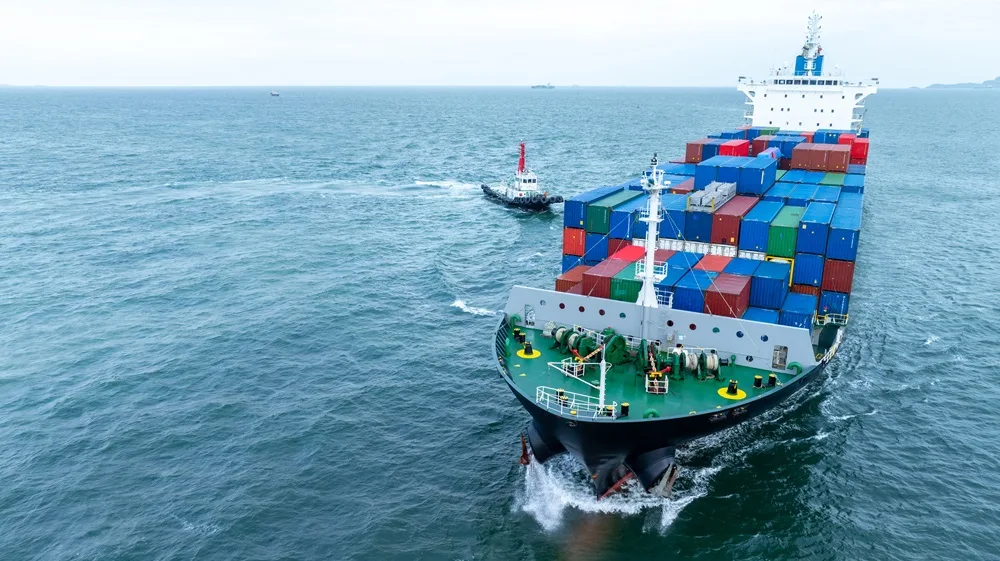
Selecting the right marine insurance provider is an important business decision that can impact your operations, profitability, and compliance with legal standards. With many top-rated companies offering similar plans, how do you choose the best one for your specific needs? In this section, we’ll walk through the step-by-step process to help you make an informed decision that considers your particular risks, budget, and business model.
1. Assess Your Cargo and Shipping Operations
Not every marine insurance company offers the same types of policies. Your first step should be reviewing your own shipping logistics. Do you transport high-value, sensitive, or hazardous goods? Is your fleet composed of small vessels or large tankers? Here are some questions to guide you:
- What is the nature of your cargo? If you’re transporting perishable or temperature-sensitive goods like seafood or pharmaceuticals, you may need specialized cargo coverage.
- Do you engage in international shipping? Companies with extensive international marine networks—like Allianz or Lloyd’s of London—can provide better coverage across different jurisdictions.
- Do you rely on specific routes that might be high-risk (e.g., piracy, war zones)? Carriers like AXA XL and Sompo International excel in offering robust war risk and piracy insurance, which might be critical if you sail through risky maritime areas like the Horn of Africa.
2. Compare Premiums, Coverage Limits, and Exclusions
The cost of a marine insurance policy is undoubtedly a key consideration, but it shouldn’t be the only factor. Many times, cheaper policies come with lower coverage limits or more exclusions, which could leave your assets or cargo underinsured in times of need. In the marine industry, being underinsured could lead to significant economic losses if the unexpected occurs.
Breaking Down the Cost Structure
When evaluating premiums, factor in the following:
- Deductibles: What will you be responsible for paying out-of-pocket before your coverage kicks in?
- Coverage limits: Are there caps on how much the insurance company will pay for any given claim? Some insurers may impose sub-limits for specific risks like political unrest or piracy.
- Exclusion clauses: Are there certain activities or incidents that would invalidate your coverage? For example, some insurers won’t cover ships in war zones unless a special addendum is bought.
Quick Tip: Create a Simple Comparison Table
To keep things organized, create a table that compares key metrics across multiple providers. Here is an example format you can use:
| Insurer Name | Coverage Options | Premium Cost | Deductible | Exclusions | Coverage Limits |
|---|---|---|---|---|---|
| Lloyd’s of London | Cargo, Hull, War Risk | $$$ | $5,000 | Excludes certain political risks | $10M general cargo; $50M hull damage |
| Allianz AGCS | Cargo, Shipwreck, Piracy | $$$$$ | $3,000 | Excludes certain natural disasters | $15M cargo, unlimited liability coverage |
| Chubb | Offshore, Liability, Yacht | $$ | $2,000 | Excludes piracy | $5M total cargo liability |
| Zurich Insurance | SME-Specific, Cargo, Fleet | $$$ | $4,000 | Excludes terrorism-related incidents | $8M total coverage per incident |
3. The Importance of Marine Insurance Specialists
Not all insurance agents are experts in marine insurance. Dealing with the intricacies of maritime law, shipping logistics, environmental risks, and piracy requires specialists who understand the marine landscape, not generalists.
If your operations are complex or span multiple countries, working with a marine insurance broker or specialist may give you an edge. These professionals can:
- Help navigate the fine print in your policies.
- Ensure you get customized coverage that is aligned with your particular shipping routes, fleet, or industry.
- Assist with regulatory compliance: For example, exporting ships in Europe might need different compliance levels than domestic shipping routes in the U.S.
Pro Tip: Choose Providers With Industry-Specific Brokers
Many top providers, such as RSA Group and AXA XL, offer brokers who specialize in different subsections of the marine industry, such as oil and gas, fisheries, or recreational vessels. Make sure to align with a company that has brokers with industry-specific experience.
For more guidance on finding a marine insurance broker, check out this helpful guide from Marine Insurance Solutions.
4. Consider Regional Expertise
Regional expertise matters, especially if your shipping lanes pass through areas with specific political or environmental instability. The best marine insurers will have regional offices or knowledgeable agents located in your key shipping hubs. For example:
- Tokio Marine HCC is well-versed in many Asian countries, providing critical insights into regional maritime trends.
- Zurich Insurance has a strong foothold in Europe, making them an ideal choice if you’re exporting within the EU.
If your business operates between multiple regions, a provider with offices in both regions may expedite claims processing and offer enhanced risk mitigation services. And remember—regional experience can also translate into better claims handling. An insurer who understands local waters and has on-the-ground adjusters will be faster at resolving your claims.
For an interactive tool that helps you locate carriers with regional expertise, check out the resource from Hiscox Global Insight here.
5. Analyzing Customer Feedback and Case Studies
An often overlooked but essential factor in choosing a marine insurance provider is customer reviews and case studies. The real-life experiences of other policyholders, especially those in your industry, can provide valuable insights into how a company operates beyond its brochure.
- Customer Reviews: See if past customers have reported slow claims processing, inadequate explanations, or unsatisfactory customer service.
- Case Studies: Does the insurance provider have success stories that closely match your business operations?
For example, Chubb Insurance has a case study featured in the 2021 Maritime Risk Review, where they successfully insured an oil rig under perilous weather conditions, ensuring minimal downtime. This kind of review can give you confidence in their efficacy in high-stakes situations.
Keep These Metrics in Mind When Choosing a Provider:
- Claims History: How fast and efficient is the company’s claims settlement process?
- Legal Support: Does the insurer offer assistance in the event of disputes? Some policies might even offer legal defense in cases of ship collisions or environmental incidents.
- Global vs. Regional Strength: A company like Allianz or Sompo International might excel in transcontinental shipping, while a company like Zurich might better serve domestic EU shippers. Align with your operation’s scale.
By evaluating each of these factors with your specific operational needs in mind, you’ll be equipped to choose the perfect provider for safeguarding your assets and operations at sea.
Once you’ve nailed down the right provider, you’re ready to tackle the seas with the confidence that your cargo and vessels are fully protected.
FAQs About Marine Insurance
As you’re considering your options for marine insurance, it’s perfectly normal to have questions about the details of coverage, costs, and claims processing. In this section, we’ll tackle some of the most common questions related to marine insurance. Our goal is to provide you with clear, actionable answers that will help you make more informed decisions.
Q: What type of marine insurance is required for commercial vessels?
A: The type of marine insurance required for commercial vessels depends largely on the operation type and the specific geographical jurisdictions involved. In most cases, Hull & Machinery Insurance is critical, as it protects the physical vessel from potential damage. Protection & Indemnity (P&I) Insurance is often mandatory for covering liability claims such as crew injuries, oil spills, or pollution events.
Moreover, many countries require vessels to have P&I insurance if they are entering national waters or ports. Additionally, if you are transporting cargo, you’ll need Cargo Insurance, which ensures coverage of the goods being transported in case they are lost, damaged, or destroyed during transit. Some regions, like the European Union and the United States, have specific legal frameworks that dictate certain minimum coverage for vessels transiting their waters.
Useful Resource: Check out P&I Club’s extensive guide on minimum mandatory insurance requirements for vessels.
Q: Can marine insurance policies be customized to fit my shipping needs?
A: Yes, many top marine insurance companies offer policies that can be heavily customized to meet the specific needs of your business. Marine operations vary widely—from shipping small non-commercial cargo to managing large-scale shipping fleets carrying hazardous industrial materials—so it makes sense that many insurers offer flexible policies.
For instance, if you’re shipping high-value electronics across international borders, you may want a policy that includes both specific cargo type coverage and global transit guarantees. Companies like AXA XL or Tokio Marine HCC allow policyholders to add bespoke policy components such as seasonal adjustments (for businesses that only operate during peak shipping seasons) or specialized piracy protection if you’re going through high-risk areas like the Indian Ocean.
Useful Resource: Visit Allianz AGCS to explore how custom policies can be tailored to your marine shipping practice here.
Q: How is piracy coverage included in marine insurance policies?
A: Piracy remains a significant risk for vessels in certain parts of the world, particularly in regions like the Gulf of Guinea, off the Somali coast, and parts of the South China Sea. Piracy coverage is typically included either in Cargo Insurance or Hull & Machinery Insurance, depending on the insurer and the specifics of your policy.
Some insurers offer Piracy Risk Insurance as a separate endorsement, especially if you’re operating in high-risk areas where piracy is more frequent. This insurance can cover:
- The loss of goods due to theft by pirates.
- Damage to the ship or machinery from piracy-related incidents.
- Crew liability insurance in case of injury resulting from the pirate activities.
It’s important to note that piracy coverage is often more expensive if your route regularly passes through areas with elevated risks. Chubb Insurance and Sompo International are well-known for offering piracy-specific solutions.
Useful Resource: Read Sompo International’s guide on piracy coverage and high-risk maritime areas here.
Q: Does marine insurance cover natural disasters like hurricanes and typhoons?
A: Yes, but with certain conditions. Many marine insurance policies do offer Natural Disaster Coverage, which includes protection for perils like hurricanes, typhoons, tsunamis, and other weather-related events. However, each insurer has its own conditions and exclusions related to natural disasters.
For instance, some policies may not cover losses caused by hurricanes unless your vessel was appropriately docked, or unless the route taken was pre-approved as safe. Zurich Insurance Group provides detailed risk analyses for shippers likely to be affected by weather-related risks, and offers specialized disaster risk add-ons.
It’s also important to note that Seasonal Shipping (operating during seasons where bad weather is more frequent, such as hurricane season) can sometimes increase your premiums.
Useful Resource: Check out Lloyd’s of London’s white paper on natural disasters and marine insurance for an in-depth look at how these risks are covered here.
Q: What is the typical claims process in marine insurance?
A: Processing claims in marine insurance can vary according to the provider and the type of loss experienced. However, most insurers follow a similar general claims process:
- Report the incident: You must notify your insurer as soon as the incident (i.e., cargo damage, ship collision, etc.) occurs. Companies like RSA Group and Allianz provide 24/7 claims hotlines to ensure prompt processing.
- Documentation and Evidence: Gathering evidence like photos, official shipping documentation, or GPS logs is vital. This helps verify that the incident occurred as reported.
- Assessment: The insurer will assess the case—this can involve sending an inspector or claims adjuster to evaluate the loss. Some companies, like Chubb, use both local and international marine adjusters depending on where the accident occurred.
- Resolution: If the claim is within coverage limits and no issues arise, most insurers will settle within 30 to 90 days, depending on the complexity of the claim. Some companies may offer an advance payment option for large claims while the final resolution is pending.
Quick Tip:
For faster claims, use insurers that provide online claims process tools. Many top marine insurance companies such as AXA XL provide online dashboards where shippers can track claim statuses in real-time.
Useful Resource: AXA XL offers an excellent overview of their claims process here.
Q: How much does marine insurance typically cost?
A: The cost of marine insurance policies varies considerably depending on several factors. These include:
- Type of Cargo: High-value or sensitive goods (like electronics or perishable food) typically come with higher premiums.
- Ships and Routes: Older ships are often seen as riskier, and routes through piracy-prone or disaster-heavy areas will cost more to ensure.
- Deductibles: Higher deductibles generally mean lower premium costs.
- Extent of Coverage: The more coverage (e.g., including piracy, political unrest, or war risk), the pricier the premiums.
For example, a basic Hull Insurance policy for a small fleet might cost around $2,000 per vessel per year, while more comprehensive coverage for a large oil tanker could reach up to six figures.
For up-to-date quotes and estimates, companies like Lloyd’s of London or Zurich Insurance Group provide online marine insurance calculators that offer a ballpark figure based on your data.
Useful Resource: Calculate your marine insurance costs on Lloyd’s of London’s specialized insurance pricing tool here.
By understanding the answers to these FAQs, you’ll have a clearer view of what to expect from marine insurance policies, which features matter the most for your unique needs, and how to navigate common questions during the selection process.
Conclusion
In today’s interconnected world where unexpected risks abound—whether they be natural disasters, piracy, or operational mishaps—having a robust marine insurance plan in place is essential for protecting your maritime assets. After reviewing the most successful marine insurance providers in 2024 and understanding what features to prioritize when choosing your policy, you’re now better equipped to make an informed, strategic decision tailored to your business.
Ready to take the next step? Reach out to one of the top marine insurance companies mentioned in this guide to request a personalized quote or consultation, and embark on your next venture at sea with the confidence that your assets are protected.
Read More: Understanding Marine Liability Insurance in the USA: Your Essential Guide 2024